
Schools
Highlights/scores: IHSA volleyball sectional finals
By Tom Patel
Advertisement · Why this ad?
With a background in educational policy and a degree from the University of Illinois at Chicago, Tom has spent the last 6 years covering the Bloomington school district for various outlets. He is passionate about education and has won awards for his investigative pieces on local school funding and reforms.
More from Tom →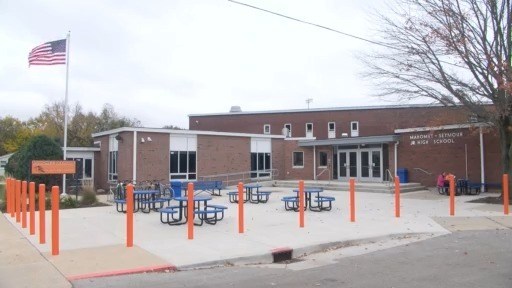
Under the soft glow of the evening sun, families and educators gathered at polling stations across Central Illinois, hopeful yet anxious about the future of their local schools. For many, these referendums weren’t just about numbers on a ballot—they represented the promise of stronger educational facilities, more resources, and a brighter future for their children. The outcome of this election, with three referendums passing and one falling short, signals a community at a crossroads—determined to invest in its schools but mindful of the challenges that lie ahead.
In the latest round of school district referendums, the unofficial results reveal a nuanced picture. Champaign, Teutopolis, Thomasboro, and Mahomet-Seymour each put forward proposals to fund various educational initiatives, from infrastructure upgrades to new technology. Notably, three of these measures succeeded, reflecting a community willing to prioritize education despite economic uncertainties. The failed referendum, in Mahomet-Seymour, underscores the ongoing debates about fiscal responsibility and community support.
Specifically, Champaign’s referendum, which aimed to secure funding for a new elementary school, garnered overwhelming support, signaling strong community backing for growth and modernization. Meanwhile, Teutopolis and Thomasboro also saw their proposals approved, focusing on facility improvements and safety upgrades. However, the Mahomet-Seymour measure, which sought to increase property taxes for broader district enhancements, fell short by a narrow margin, illustrating the delicate balance between investment and fiscal conservatism.
Local families and educators expressed a mix of relief, optimism, and cautious hope following the results. “This is a step forward for our children’s education,” said Lisa Carter, a parent from Champaign, whose district’s referendum passed by a significant margin. “We want our kids to have access to the best facilities and resources, and tonight’s vote shows our community values that.”
Superintendents across the districts echoed this sentiment, emphasizing that the funds secured will enable them to address pressing needs. Dr. Mark Johnson, superintendent of Champaign schools, noted, “The approval of our referendum means we can finally move ahead with plans for a new elementary building that will serve generations to come. It’s a testament to the community’s commitment to education and faith in our leadership.”
Yet, the rejection of the Mahomet-Seymour measure highlights ongoing concerns about tax increases and the community’s capacity to support expanded spending. Superintendent Sarah Lee acknowledged, “While we’re grateful for the support we received, we also understand the hesitations some residents have about increased taxes. Our goal is to be transparent and responsible as we move forward.” The district plans to reassess and explore alternative funding options to ensure progress without overburdening families.
With the referendums now decided, districts are shifting gears toward detailed planning and implementation. Champaign’s district is already convening committees to oversee the construction of the new elementary school, aiming for groundbreaking within the next year. Similarly, Teutopolis and Thomasboro are preparing their renovation projects, with timelines set for completion over the next 18 months. These initiatives are expected to create hundreds of jobs and stimulate local economies, reinforcing the community’s commitment to both education and economic stability.
For districts that faced rejection, like Mahomet-Seymour, discussions are underway to identify alternative funding streams and community engagement strategies. Superintendent Sarah Lee emphasizes, “We remain committed to improving our schools and will work tirelessly to find solutions that align with our community’s values and financial realities.” The community’s resilience and dedication to their children’s futures remain clear, even amid setbacks.
In addition to district-level planning, community organizations and local governments are beginning to coordinate efforts to support these initiatives. Local chambers of commerce and civic groups are rallying around the projects, understanding that successful implementation can lead to economic growth and increased property values. For example, the Bloomington-Normal Economic Development Council has expressed interest in partnering with districts to provide workforce training and support for new construction jobs, ensuring that local residents benefit directly from these investments.
These referendums are more than just local votes; they are a reflection of the evolving priorities within Central Illinois communities. The region has faced economic shifts over the past decade, including the decline of manufacturing in some areas and the rise of technology and healthcare sectors. Investing in schools is seen as a vital step toward attracting new families and businesses, fostering stability, and ensuring that the region remains competitive.
For families like the Thompsons in Champaign, the results mean a tangible improvement in their children’s daily lives. “We’ve seen our neighborhood change over the years,” said Maria Thompson, a mother of three. “Having a new school nearby and better resources means a lot to us. It’s about giving our kids the best start possible.”
Local educators also see these investments as crucial for addressing longstanding challenges. Superintendent Johnson pointed out that the new elementary school would help alleviate overcrowding in existing facilities, which has been a persistent issue in Champaign. “Our current schools are stretched thin,” he explained. “This new building will help us provide personalized attention and foster a better learning environment for every student.”
As districts move into the next phase of project planning, community involvement remains essential. Public forums, town halls, and stakeholder meetings are scheduled to keep residents informed and engaged. District leaders emphasize transparency and accountability, recognizing that ongoing community support is vital for long-term success.
In Champaign, the district has already begun forming advisory committees that include parents, teachers, and local business leaders. These groups will oversee project timelines, budgets, and community outreach efforts. The goal is to ensure that the new elementary school is completed on time and within budget, with input from those who will use it most.
Similarly, Teutopolis and Thomasboro are planning to hold series of community meetings to gather feedback on their renovation projects. These forums will help districts tailor their plans to meet local needs and ensure that resources are allocated efficiently.
For Mahomet-Seymour, the district’s leadership is exploring innovative funding models, such as public-private partnerships and grants, to offset the rejection of the property tax increase. Superintendent Sarah Lee has emphasized that the district’s commitment to improvement remains unwavering. “We’re exploring all options to ensure our students have access to quality facilities and resources,” she said. “Community input will be crucial as we chart our path forward.”
In the coming months, the focus will be on turning these plans into action—breaking ground on new facilities, beginning renovations, and engaging the community at every step. The success of these efforts will depend on sustained collaboration, transparency, and a shared vision for the future of Central Illinois education.
Ultimately, these referendums serve as a testament to the resilience and hope of Central Illinois communities. Despite economic challenges and political debates, the community’s unwavering support for education signals a collective belief in the power of schools to transform lives and strengthen neighborhoods. As these projects unfold, residents are optimistic that their investments today will yield a brighter, more prosperous tomorrow for generations to come.
By Tom Patel

By Tom Patel

By Tom Patel

By Tom Patel