
Community
Q&A: U of I professor breaks down midterm election results, future of U.S. political climate
By Samantha Lee
Advertisement · Why this ad?
A recent graduate from Illinois Wesleyan University, Greg has quickly made a name for himself in community journalism, writing for local newsletters and contributing to regional magazines. His work often focuses on cultural events and community outreach efforts.
More from Greg →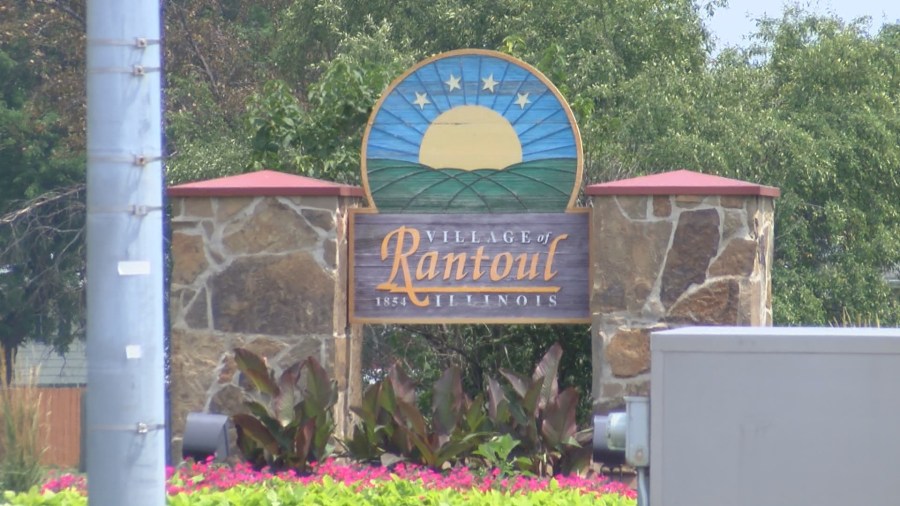
On a warm November evening in Rantoul, a small crowd gathered at the community center, eyes bright with anticipation. Among them, Sarah Martinez, a local mother of three, clutched her ballot with a hopeful smile. Like many residents, she’s passionate about shaping her town’s future—believing that community decisions should reflect the voice of those who call Rantoul home. As the unofficial results rolled in, it became clear that her hopes—and those of many others—were being realized. The votes indicated a significant shift in Rantoul’s governance and economic landscape, signaling a community eager to embrace new opportunities and fresh ideas.
Rantoul, a village nestled in Champaign County, Illinois, has long been a community defined by its rich history rooted in agriculture, military, and industry. Known for the nearby Chanute Air Force Base, which played a pivotal role in the region’s development until its closure in 1993, Rantoul has faced economic challenges but also opportunities for renewal. Today, it’s a town that’s balancing tradition with the push for modernization, especially as younger generations seek vibrant, economically sustainable futures. The recent election results are a reflection of this ongoing transformation, with residents eager to shape policies that will influence the town’s trajectory for years to come.
The recent election in Rantoul was marked by two pivotal questions that captured the community’s attention. The first asked whether the village should eliminate district representation, a move that could reshape local governance and how residents engage with their elected officials. The second, more contentious, queried whether to lift a longstanding ban on marijuana dispensaries within the village limits—a decision that could open the door to new business ventures and economic growth.
According to the unofficial results, a majority of Rantoul voters approved both measures. The vote to do away with district representation was met with mixed reactions, but the community’s support for lifting the ban on cannabis dispensaries was particularly strong. This decision aligns with broader trends across Illinois, where many municipalities are reconsidering their stance on marijuana businesses as the state continues to expand its legal cannabis industry. The results are expected to influence local policies well into the 2026 Midterm Election cycle, setting a precedent for neighboring communities.
The question on district representation was a significant change for Rantoul. Historically, the village had been divided into districts, each electing representatives to ensure localized representation. The move to eliminate these districts aims to create a more unified governance structure, allowing all residents to vote for the entire village board rather than specific districts. Supporters argue that this will streamline decision-making and foster a stronger sense of community cohesion. Critics, however, voiced concerns about diminishing local voices and the potential for less localized accountability.
Meanwhile, the cannabis dispensary question drew even more attention. Illinois has seen a rapid expansion of its legal cannabis industry since recreational use was legalized in 2020. Rantoul’s decision to lift its ban reflects a growing acceptance of cannabis as a legitimate industry that can generate revenue, create jobs, and attract visitors. The village’s vote mirrors a statewide trend, with many Illinois towns and cities reevaluating their stance on marijuana businesses amid economic pressures and changing social attitudes.
The community’s response to these results has been lively and diverse. Longtime resident Mark Johnson expressed cautious optimism, emphasizing the potential economic benefits of legal cannabis. “This could bring jobs and new revenue to Rantoul, which is good for our schools and infrastructure,” he said. Meanwhile, some residents voiced concerns about the social implications, underscoring the importance of responsible regulation and community safety.
Local business owner Lisa Nguyen sees the move as an opportunity for growth. “We need to adapt with the times, and legal dispensaries could attract visitors and entrepreneurs,” she noted. Conversely, Pastor David Lee highlighted the importance of maintaining community values, advocating for education and responsible use. “Our families and children deserve safe, healthy environments,” he remarked. As the community debates these changes, town officials are preparing to develop policies that balance economic development with public safety and moral considerations.
These election outcomes are more than just administrative adjustments—they are a reflection of Rantoul’s evolving identity and economic aspirations. For decades, the community has relied heavily on the military and manufacturing sectors, which have faced decline and restructuring. The move to support cannabis dispensaries signals a shift toward diversifying the local economy, hoping to attract new businesses and reduce dependence on traditional industries. Moreover, the decision to eliminate districts could foster a more unified approach to local governance, encouraging broader participation and transparency.
For residents like Sarah Martinez and her family, these changes could mean improved public services, more job opportunities, and a stronger sense of community ownership. Local leaders see this as a chance to reinvent Rantoul’s image—transitioning from a town shaped by military history to a vibrant, modern community that embraces innovation while honoring its roots.
With the unofficial results in, Rantoul’s village leaders are now turning their attention to implementing these new policies. The removal of district representation could lead to a restructuring of local government, potentially streamlining decision-making processes and increasing community involvement. Simultaneously, the approval to lift the marijuana ban will trigger a series of regulatory steps, including zoning, licensing, and public health safeguards.
Looking ahead, Rantoul’s experience may serve as a blueprint for nearby towns contemplating similar changes. State agencies, such as the Illinois Department of Financial and Professional Regulation, will play a crucial role in overseeing the licensing and regulation of dispensaries. The department has been actively working to streamline licensing processes, making it easier for qualified entrepreneurs to establish legal cannabis businesses. Local officials are also expected to hold public forums to ensure transparency and gather community input as they draft new ordinances and policies.
The Rantoul Chamber of Commerce, which has historically supported local economic initiatives, is already mobilizing to assist new dispensaries and related businesses. This includes providing resources on business licensing, marketing, and community outreach. The goal is to ensure that economic benefits are maximized while safeguarding community values and safety.
For Rantoul residents, these developments represent more than policy shifts—they are a testament to a community willing to adapt and grow. The town’s leadership recognizes that responsible governance, clear communication, and community engagement are key to successful implementation. As new dispensaries open and governance reforms take hold, residents can expect increased local employment, new business opportunities, and a revitalized sense of civic pride.
Furthermore, ongoing community forums and educational campaigns will be vital in fostering responsible use and ensuring that the economic gains do not come at the expense of public health or safety. Rantoul’s experience may serve as a model for other Illinois communities considering similar measures, emphasizing the importance of thoughtful planning and community consensus.
In the coming months, residents will see tangible changes—new dispensaries, revamped local governance structures, and ongoing community discussions. The town’s journey exemplifies the broader American narrative: communities that honor their history while boldly embracing change, building a future rooted in hope, innovation, and shared purpose.
By Samantha Lee

By Samantha Lee

By Samantha Lee

By Samantha Lee